
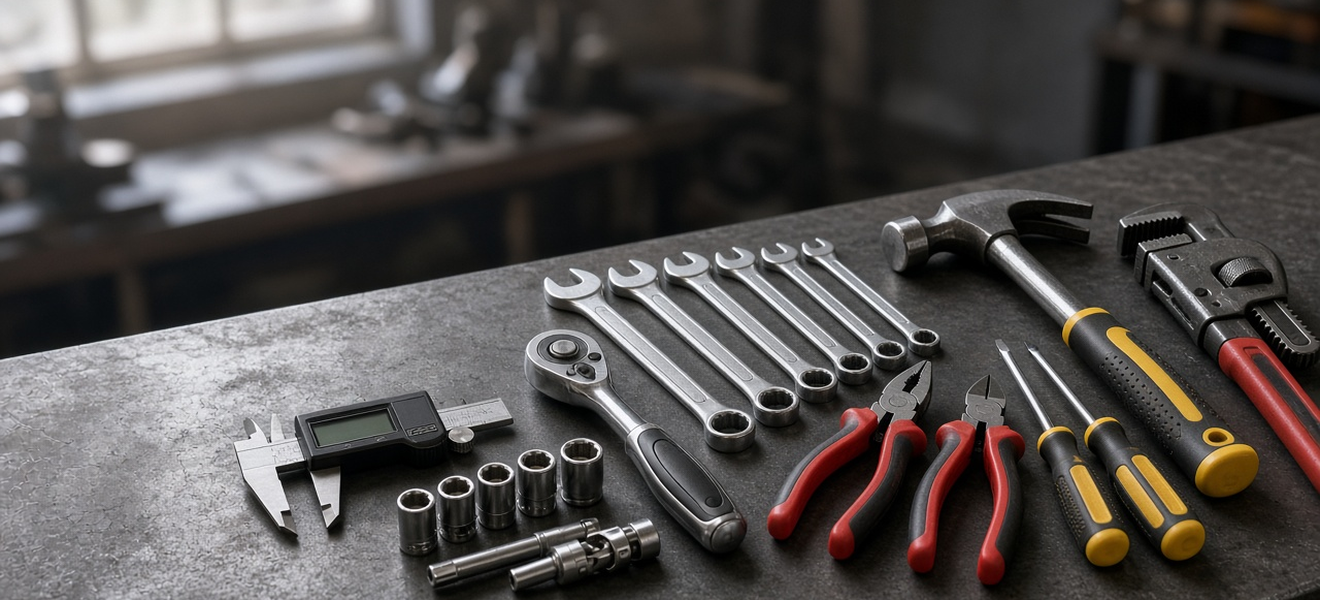
Hand tool brands can look equally credible in catalogs, yet their performance may vary by tool category, factory, and production batch1. That uncertainty can lead to returns, interrupted replenishment, and damage to a distributor’s reputation. I use a category-based evaluation framework to compare brands, inspect quality, and reduce procurement risk.
The top hand tool brands for professionals depend on the tool category, application, and purchasing requirements. Instead of choosing one universal winner, I recommend comparing representative brands by measurable factors such as geometry, hardness, heat-treatment consistency, manufacturing controls, warranty terms, regional support, and batch-level inspection results.

I participate in hand-tool sampling, product-development, and quality discussions, but I have not personally tested every brand listed here. Brand performance, warranties, certifications, manufacturing locations, and regional availability can change. Buyers should independently verify those details and obtain qualified technical advice for safety-critical or application-specific decisions.
Which Hand Tool Brands Are Strong in Each Tool Category?
A universal ranking creates a simple answer to a complicated purchasing problem. It can push buyers toward a famous name without showing whether that company is strongest in the required category. I prefer to separate the market by product type, user environment, and commercial risk.
The best professional shortlist usually includes different hand tool brands for sockets, pliers, striking tools, general wrenches, insulated tools, and pipe tools. Buyers should treat brand reputation as an initial screening signal. They should then verify category-specific construction, applicable standards, batch consistency, warranty coverage, supply continuity, and total landed cost.

A category-based comparison matrix
The following matrix is not a first-to-tenth ranking. It identifies representative brands that procurement teams may encounter when creating an initial shortlist.
All brand-specific strengths in this table are general market positioning points that must be verified against current primary or authoritative sources. I do not present them as conclusions from comprehensive firsthand testing.
| Tool category | Representative brands | Commonly associated category strength* | Points to verify | Main procurement risk |
|---|---|---|---|---|
| Sockets and ratchets | Snap-on, Hazet, Stahlwille, Ko-ken, GearWrench | Professional socket systems, ratchet selection, or workshop coverage | Socket geometry, wall thickness, hardness range, drive fit, repair kits, warranty | Assuming every series has equal specifications |
| General wrenches | Wright, Facom, Stahlwille, Snap-on, Gedore | Professional wrench ranges and workshop use | Jaw dimensions, head geometry, torque performance, finish, size accuracy | Comparing brands without comparing equivalent product lines |
| Pliers and cutters | Knipex, Channellock, NWS, Tsunoda | Pliers, cutters, gripping tools, or category specialization | Jaw alignment, pivot clearance, cutting-edge hardness, handle security | Relying on brand recognition rather than model-level checks |
| Striking tools | Estwing, Picard, Vaughan, Halder | Hammers, mallets, or specialized striking tools | Head security, handle construction, face hardness, balance, warning labels | Ignoring application-specific safety requirements |
| Insulated tools | Wiha, Wera, Knipex, Facom | Insulated hand-tool ranges | Valid certification, model markings, test documentation, voltage rating, traceability | Treating an insulated-looking handle as proof of compliance2 |
| Pipe tools | RIDGID, REED, Rothenberger, Bahco | Pipe wrenches, cutters, vises, or installation tools | Jaw design, replacement parts, body strength, capacity, local service | Selecting by nominal size without checking real working capacity |
| Screwdrivers and hex tools | PB Swiss Tools, Wera, Wiha, Vessel, Bondhus | Driver systems, tip profiles, or fastening ranges | Tip geometry, torsional performance, handle design, fastener compatibility | Assuming proprietary profiles suit every customer market |
*All positioning statements require verification from current manufacturer documentation, distributors, applicable standards, and product samples.
Why category specialization matters
A brand may offer an extensive catalog, but catalog size does not prove equal competence across every product family. A strong pliers range does not automatically establish superior socket manufacturing. Likewise, a respected pipe-tool name may not be the right benchmark for precision screwdrivers.
I once joined a sampling discussion in which the initial shortlist focused almost entirely on logo recognition. The conversation changed when we placed the samples side by side and compared jaw movement, finish uniformity, markings, and packaging protection. That simple exercise made the differences more useful than broad statements about “premium quality.”
For B2B sourcing, I normally ask five category-level questions:
-
What task will the tool perform?
A maintenance technician, plumber, automotive mechanic, and industrial assembler may need different geometry and durability. -
How frequently will the tool be used?
Occasional professional use and repeated production-line use create different wear patterns. -
What failure mode matters most?
Buyers may need to control jaw spreading, edge chipping, ratchet slippage, handle loosening, corrosion, or dimensional drift. -
What support does the channel require?
Replacement parts, repair kits, merchandising, warranty processing, and replenishment can affect profitability. -
Which claims can the supplier document?
Current specifications and traceable records are more useful than broad premium-brand language.
This approach turns a brand list into a practical sourcing tool. It also helps distributors avoid comparing unrelated product lines at very different price and performance levels.
What Defines Professional Quality in Hand Tool Brands?
“Professional quality” appears frequently in sales materials, but the term has limited value unless a buyer can inspect it. If purchasing teams accept it without measurable criteria, they may approve attractive samples that fail to represent future batches. I define quality through product-specific variables and documented controls.
Professional hand tool brands should be evaluated through measurable characteristics such as dimensions, functional geometry, hardness range, surface finish, assembly quality, and batch consistency. The exact criteria depend on the category. A buyer should combine specification review, representative sampling, calibrated measurements, appropriate testing, and pre-shipment inspection.
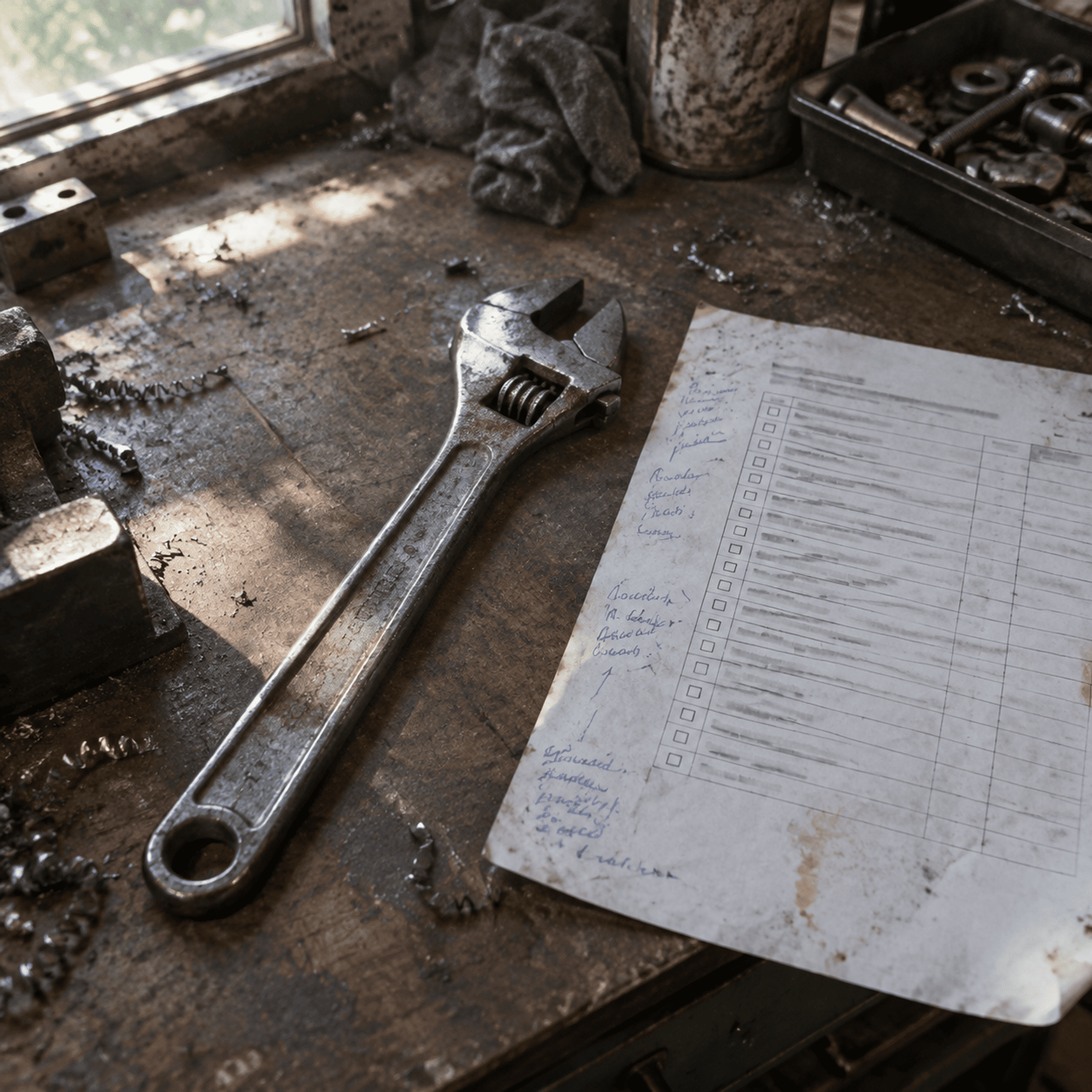
Socket and ratchet inspection points
Sockets provide a useful example because several visible and hidden variables affect performance. A polished surface alone cannot show whether the socket is dimensionally correct or consistently heat-treated.3
I would consider checking:
- Across-flat dimensions and fit on the intended fastener
- Wall thickness, especially around high-stress areas
- Lead-in chamfer geometry
- Internal broach shape and depth
- Drive-square dimensions and retention feature
- Concentricity and overall length
- Hardness range and variation within the sample
- Heat-treatment process records, where applicable
- Marking legibility and traceability
- Coating or finish uniformity
- Ratchet tooth engagement and reversing operation
- Repair-part availability, if relevant to the product design
The acceptable values should come from an approved drawing, contract specification, relevant standard, or qualified engineering review.4 I would not create universal pass/fail limits without considering the tool design and intended application.
Equivalent checks for other categories
Each product family requires its own control plan.
| Product type | Important variables to evaluate |
|---|---|
| Open-end or combination wrench | Jaw opening, jaw parallelism, head thickness, offset angle, ring geometry, surface finish, hardness |
| Pliers | Jaw alignment, tooth form, pivot clearance, handle security, cutting-edge geometry, opening and closing movement |
| Pipe wrench | Jaw tooth geometry, hook-jaw movement, adjustment-nut fit, body condition, working capacity, replacement-jaw compatibility |
| Hammer or mallet | Head dimensions, face condition, head-to-handle security, handle integrity, balance, markings |
| Screwdriver | Tip dimensions, tip fit, shaft alignment, handle attachment, torsional behavior, corrosion protection |
| Tool storage | Drawer load behavior, slide operation, lock function, caster attachment, coating, packaging protection |
Sample quality versus batch consistency
A good approval sample only proves that one or several pieces met expectations at one point. It does not prove that production will remain stable over multiple orders.5
For ongoing programs, I recommend a control process that can include:
- An approved and clearly identified reference sample
- A controlled specification or drawing revision
- Incoming material verification where applicable
- First-piece or setup approval
- In-process dimensional and functional checks
- Defined inspection equipment and calibration status
- Packaging and labeling verification
- Pre-shipment inspection based on an agreed sampling plan
- Corrective-action procedures for recurring defects
A professional-looking tool can still create channel problems if the second and third batches differ from the original sample. For wholesalers and private-label brands, repeatability is often more commercially important than a single impressive sample.
Do Cr-Mo and Cr-V Labels Identify the Best Hand Tool Brands?
Material abbreviations make technical comparisons seem easy. However, buyers can place too much weight on Cr-Mo or Cr-V markings while overlooking design and manufacturing controls. That shortcut becomes risky when the supplier cannot connect the material claim to a specification, composition record, or suitable production process.
Cr-Mo and Cr-V labels do not independently determine tool quality. Alloy composition can influence properties, but tool performance also depends on geometry, material grade, forging or forming, machining, hardness range, heat-treatment consistency, and intended use6. Buyers should verify the exact specification and test suitable samples rather than select tools by alloy name alone.
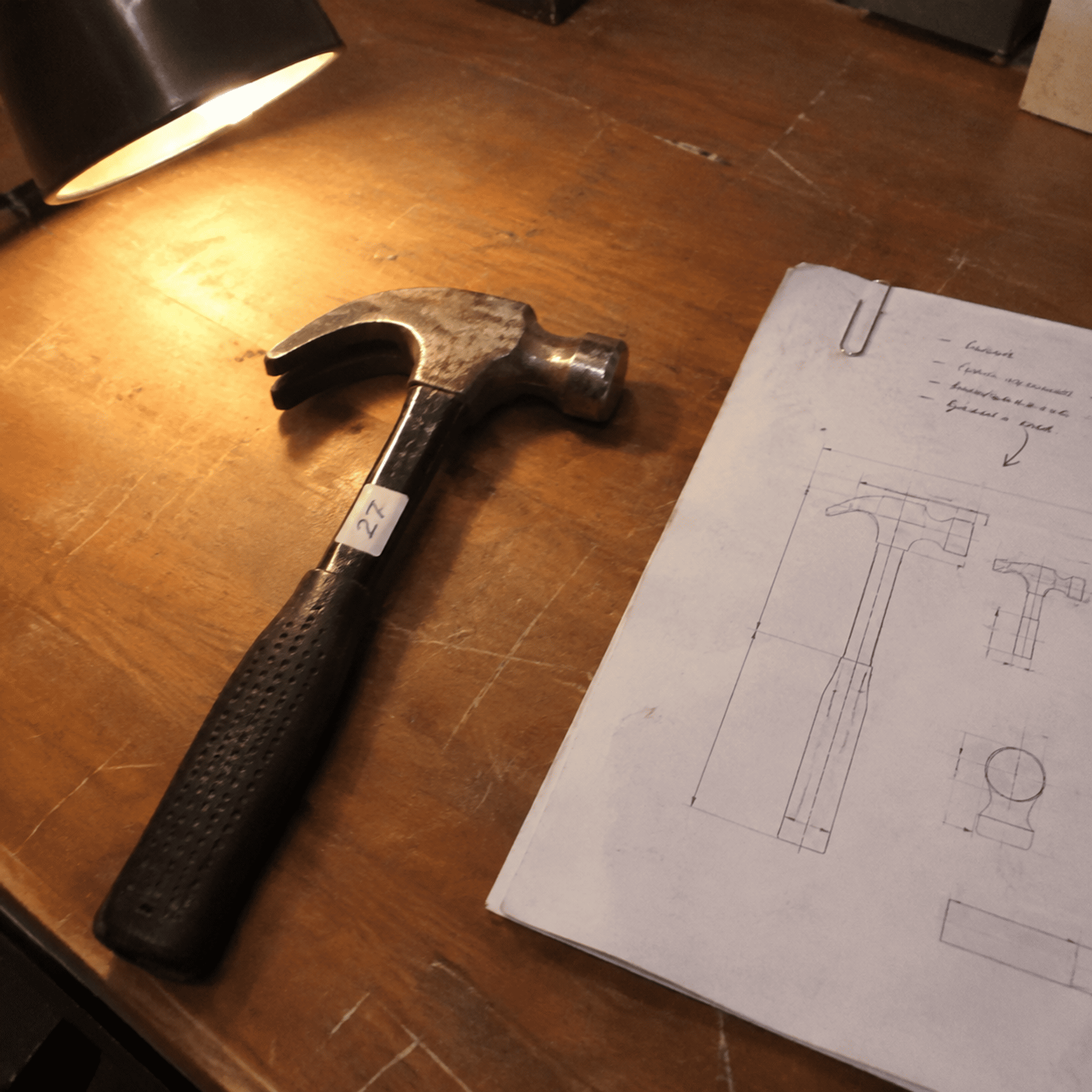
Why alloy names are incomplete
Chromium-molybdenum and chromium-vanadium describe broad alloy families rather than one guaranteed performance level.7 Each family can include different grades and composition ranges. A marking on a tool may also provide less detail than a material specification or traceable record.
The following comparison is a procurement framework, not an engineering verdict. All technical statements about Cr-Mo, Cr-V, and application suitability should be verified against authoritative material specifications and qualified professional advice.
| Comparison point | Cr-Mo label | Cr-V label | Buyer action |
|---|---|---|---|
| What the label suggests | A chromium-molybdenum alloy family | A chromium-vanadium alloy family | Request the exact grade or agreed composition |
| What the label does not prove | Correct heat treatment, geometry, hardness, or durability | Correct heat treatment, geometry, hardness, or durability | Review records and test representative samples |
| Common sourcing mistake | Assuming every Cr-Mo tool suits impact use | Assuming every Cr-V tool has the same strength | Evaluate the finished tool and intended application |
| Useful documentation | Material record, process record, inspection report | Material record, process record, inspection report | Confirm traceability and consistency |
| Final decision basis | Complete product specification | Complete product specification | Use qualified technical evaluation |
Geometry can change the result
Two sockets made from the same nominal alloy can behave differently if they have different wall thicknesses, corner-relief geometry, broach transitions, or heat-treatment results.8 The material name does not correct a thin stress area or inconsistent machining.
The same principle applies to other tools:
- A wrench needs controlled jaw geometry and suitable hardness.
- A pair of cutting pliers needs correct edge geometry and pivot alignment.
- A hammer needs secure head retention and an appropriate handle system.
- A pipe wrench needs consistent jaw teeth and reliable adjustment.
- A screwdriver needs a tip profile that fits the intended fastener.
In sampling discussions, I have found that a material label can dominate the first conversation because it is easy to place in a catalog. The more useful conversation begins when I ask for the drawing, grade, hardness requirement, heat-treatment controls, and inspection method.
Documents that buyers can request
The appropriate records depend on product risk, order size, supplier capability, and contractual requirements. A procurement team may ask for:
- Agreed material specifications
- Material certificates or heat records where applicable
- Hardness inspection results
- Dimensional inspection records
- Heat-treatment batch records
- Process-control plans
- Calibration records for relevant measurement equipment
- Test methods and acceptance criteria
- Traceability information
- Corrective-action records for previous nonconformities
Documents should not be accepted merely because they have official-looking formatting. Buyers should check that part numbers, batch references, dates, methods, and results correspond to the actual goods.
Can Reputable Hand Tool Brands Still Have Batch Problems?
A respected name can reduce perceived purchasing risk, but it cannot eliminate manufacturing variation. Products may come from different plants, production lines, tooling sets, or periods. Without plant- and batch-level controls, a distributor may discover a problem only after goods reach the market.
Yes, reputable hand tool brands and retailers can experience batch-level defects9. Brand reputation is not a substitute for tooling maintenance, process control, traceability, and inspection. Procurement teams should verify the factory, product revision, production lot, control plan, and corrective-action system instead of assuming that every item carrying the same brand performs identically.

One adjacent-category recall lesson
A useful caution comes from the Pittsburgh Automotive jack-stand recall associated with NHTSA recall record 20E-027. Jack stands are support equipment, not hand tools, so I use this only as an adjacent-category process-control example.
The recall documentation reportedly described tooling wear that could produce inconsistent ratchet teeth and insufficient pawl engagement10. The NHTSA filing has been reported as covering approximately 1.22 million units, with an estimated defect percentage of 5%11. However, buyers and editors should verify the current NHTSA record directly before publication or commercial use.
They should specifically confirm:
- The final affected quantity
- The estimated defect rate
- The described failure mechanism
- The affected model numbers
- The manufacturing dates
- The distinction between factories and product variants
- Any later amendments or related recall records
These details should not be extended to unrelated products or suppliers. The procurement lesson is narrower: tooling condition and process control can influence product geometry, and small geometry changes can create serious channel consequences.
Tooling management questions
When I evaluate a potential manufacturing program, I find that “new tooling” or “experienced factory” is not enough. I want to understand how the supplier manages tools after production begins.
Useful questions include:
- Does the factory identify tooling with unique numbers?
- Does it define preventive-maintenance intervals?
- Does it record repairs, replacement, and service history?
- Does it inspect the first pieces after setup or maintenance?
- Does it monitor dimensions linked to tooling wear?
- Does it isolate suspect production when measurements drift?
- Does it preserve traceability between lots and tooling?
- Does it investigate root causes rather than sort defects only?
Factory capability as a screening framework
Buyers sometimes divide factories into informal capability tiers. This approach can help with screening, but it should not become an unsupported claim about a particular supplier.
A higher-capability program might demonstrate documented process controls, suitable measurement equipment, stable heat-treatment management, drawing control, traceability, and effective corrective action. A developing supplier might rely more heavily on final inspection and operator experience.
These are points to verify, not automatic conclusions based on factory size, location, price, or claimed customers. Buyers should never assume that a factory manufactures for a named brand unless that relationship is lawfully disclosed and independently confirmed.
How Should Buyers Shortlist Hand Tool Brands and Suppliers?
A long brand list can slow down procurement without improving the final decision. Buyers need a structured method that filters unsuitable products before expensive testing, negotiation, and packaging work begins. I use a staged process that connects technical requirements with commercial and supply-chain risks.
Buyers should shortlist hand tool brands and suppliers by defining the application, setting measurable specifications, reviewing documentation, comparing representative samples, assessing factory controls, and confirming commercial support. The final choice should balance product performance, consistency, replenishment, customization, warranty handling, communication, and total procurement risk rather than unit price alone.
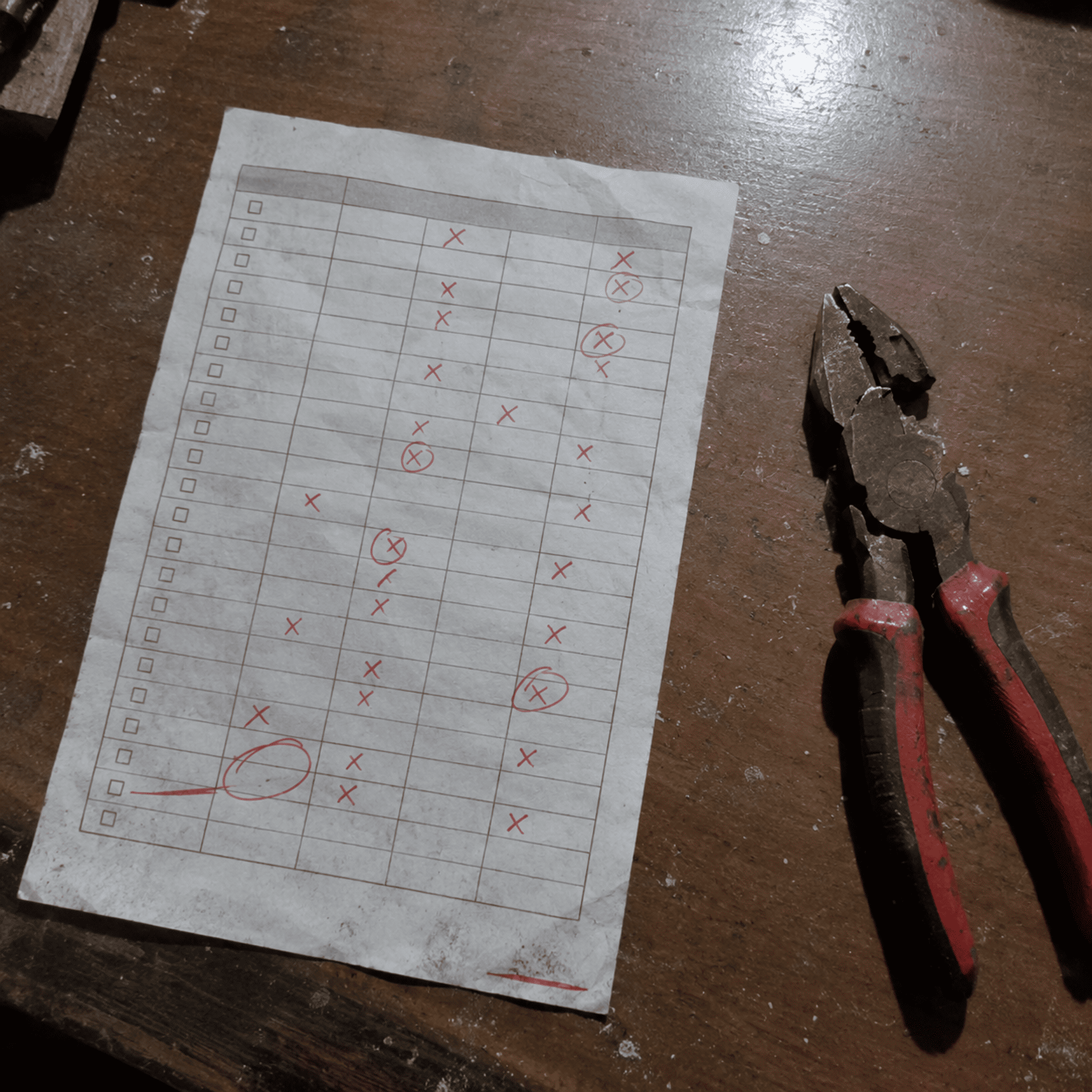
Step 1: Define the actual use case
A request for a “professional wrench” is too broad. I would first clarify:
- Target user and industry
- Tool size and capacity
- Expected frequency of use
- Working environment
- Relevant fastener or pipe type
- Packaging and channel position
- Replacement or spare-part requirements
- Applicable market regulations or standards
- Private-label and branding needs
Safety-critical and highly specialized applications should receive qualified engineering or professional review.
Step 2: Create an evidence-based specification
The specification should convert marketing language into inspectable requirements. Depending on the category, it may cover dimensions, tolerances, functional geometry, material grade, hardness range, finish, markings, packaging, and inspection method.
The document should also establish which revision controls production. Without revision control, a supplier and buyer can unknowingly work from different drawings.
Step 3: Request comparable samples
Samples should represent equivalent sizes, series, and performance levels. A flagship sample from one brand should not be compared with an entry-level item from another.
I recommend documenting:
- Sample code and source
- Product line and model
- Production or lot information, if available
- Measured dimensions
- Functional observations
- Packaging condition
- Deviations from the specification
- Questions requiring laboratory or professional evaluation
Step 4: Assess the supplier behind the product
For private-label programs, the supplier’s development and communication ability can be as important as the existing item. The buyer should evaluate whether the supplier can control modifications without introducing new variation.
Key areas include:
- Product-development workflow
- Drawing and sample approval
- Change management
- Material and heat-treatment controls
- In-process inspection
- Measuring-equipment calibration
- Tooling maintenance
- Nonconforming-product control
- Pre-shipment inspection
- Corrective-action response
- Replenishment planning
Any claimed certification should be treated as a document to verify. Buyers should check the issuing body, scope, site, certificate number, status, and relevance to the product.
Step 5: Use a weighted decision matrix
A weighted matrix keeps the team from choosing only by purchase price.
| Evaluation area | Example weighting |
|---|---|
| Product specification and sample results | 30% |
| Batch and process controls | 20% |
| Supplier communication and development support | 15% |
| Supply continuity and replenishment | 15% |
| Warranty and corrective-action process | 10% |
| Total landed cost | 10% |
The percentages should change with the program. A safety-sensitive item may justify a higher weight for technical controls. A seasonal retail program may place more emphasis on capacity, packaging, and delivery planning.
I treat a famous brand as a reason to investigate, not as permission to stop investigating.
Frequently Asked Questions
What is the best hand tool brand for professional use?
No single brand is best for every professional category. I recommend creating separate shortlists for sockets, wrenches, pliers, striking tools, screwdrivers, and pipe tools. Buyers should compare equivalent product lines and verify geometry, hardness, process controls, warranty terms, supply continuity, and batch inspection results.
Are expensive hand tool brands always higher quality?
A higher price can reflect design, distribution, warranty support, regional service, manufacturing cost, or brand positioning. It does not independently prove better batch consistency or suitability. I advise buyers to compare measurable specifications, representative samples, documentation, and total ownership costs before making a decision.
Is Cr-Mo better than Cr-V for professional tools?
Neither label is universally better. The correct choice depends on the exact material grade, tool geometry, heat treatment, hardness, manufacturing consistency, and application. I recommend verifying material claims and using qualified technical evaluation rather than selecting a tool solely because it carries a Cr-Mo or Cr-V marking.
What quality documents should a hand-tool supplier provide?
The relevant documents may include product drawings, specifications, material records, hardness results, heat-treatment records, dimensional reports, calibration records, control plans, and pre-shipment inspection reports. I recommend checking whether every document clearly matches the product number, production batch, date, method, and agreed acceptance criteria.
How can private-label buyers reduce inconsistent-batch risk?
Private-label buyers can control risk with approved reference samples, controlled drawings, traceable materials, first-piece checks, in-process inspection, tooling maintenance, calibrated measurements, and pre-shipment inspection. I also recommend defining change-notification and corrective-action procedures before mass production begins.
Conclusion
The top hand tool brands for professionals cannot be reduced to one universal ranking. I recommend comparing brands within each category and verifying product geometry, materials, hardness, heat treatment, tooling management, inspection systems, and batch consistency. Brand recognition can support a shortlist, but evidence should support the final purchasing decision.
Ridgimax works with B2B buyers on pipe tools, selected hand tools, tool storage, bulk procurement, and OEM/ODM development. Contact our Shanghai team to discuss your target specifications, samples, customization needs, and quality-control plan.
"Statistical Process Monitoring for Autocorrelated Data", https://www.nist.gov/programs-projects/statistical-process-monitoring-autocorrelated-data. Research on manufacturing variation shows that differences in materials, equipment, tooling, setup, and process conditions can produce variation between production runs and facilities. Evidence role: general_support; source type: research. Supports: Manufacturing-process variation can produce measurable differences among production sites, runs, or lots.. Scope note: General manufacturing research supports the mechanism but does not establish the extent of variation for every hand-tool brand or product category. ↩
"Use of insulated hand tools", https://www.osha.gov/laws-regs/standardinterpretations/1996-07-30-0. IEC 60900 specifies construction, testing, and marking requirements for insulated and insulating hand tools used for live working, so visual appearance alone does not demonstrate conformity. Evidence role: expert_consensus; source type: institution. Supports: Recognized electrical-safety standards require insulated hand tools to meet specified design, testing, and marking requirements rather than merely resemble insulated products.. Scope note: The standard establishes conformity requirements but does not verify that any particular product or brand is compliant. ↩
"Dimensional inspection planning based on product data ...", https://nvlpubs.nist.gov/nistpubs/Legacy/IR/nistir5183.pdf. Engineering inspection guidance distinguishes surface examination from dimensional and metallurgical evaluation: dimensions require calibrated measurement, while heat-treatment outcomes are commonly assessed through hardness testing and, where necessary, microstructural analysis. Evidence role: mechanism; source type: education. Supports: Dimensional conformity requires measurement, while heat-treatment condition is evaluated through methods such as hardness testing or metallographic analysis.. Scope note: These methods identify relevant inspection principles but do not prescribe acceptance limits for a particular socket design. ↩
"MIL-STD-31000 - Technical Data Packages in Acquisition", https://www.nist.gov/document/2024-mbe-summit-windham-mil-std-31000-technical-data-packages-acquisition. International conformity-assessment guidance defines conformity in relation to specified requirements, supporting the use of controlled drawings, standards, and contract specifications as the basis for inspection decisions. Evidence role: expert_consensus; source type: institution. Supports: Conformity assessment evaluates products against specified requirements, making controlled drawings, standards, and contractual specifications the appropriate basis for acceptance.. Scope note: Conformity-assessment guidance establishes the general principle but does not determine the correct technical limits for an individual tool. ↩
"3.4.5. Assessing Process Stability", https://www.itl.nist.gov/div898/handbook/ppc/section4/ppc45.htm. NIST guidance on statistical process control explains that process stability is evaluated from repeated observations over time; conformity of a limited approval sample therefore does not establish the stability of future production. Evidence role: mechanism; source type: government. Supports: A small sample provides evidence only about inspected units, whereas process stability must be assessed using data collected over time.. Scope note: The strength of any inference depends on the sampling design, process history, and number of observations. ↩
"ADS", https://ui.adsabs.harvard.edu/abs/2026DiMat...6...50M/abstract. Materials-engineering research shows that steel performance reflects composition, processing history, heat treatment, and resulting microstructure, while component geometry governs local stress distribution under load. Evidence role: mechanism; source type: paper. Supports: Heat treatment and manufacturing processes alter steel microstructure and mechanical properties, while component geometry affects stress distribution and failure behavior.. Scope note: The relative importance of these factors varies by tool design, loading mode, and service environment. ↩
"Chromium And Vanadium", https://articulate.strayer.edu/chromium-and-vanadium. Metallurgical classifications identify multiple chromium-molybdenum and chromium-vanadium steel grades, with composition ranges and resulting properties varying by grade and specification. Evidence role: definition; source type: education. Supports: Chromium-molybdenum and chromium-vanadium steels encompass multiple grades with differing compositions and properties.. Scope note: A general alloy classification does not identify the actual grade or condition of a finished tool bearing an abbreviated material marking. ↩
"(PDF) Wear of Impact Socket: A Review", https://www.academia.edu/27884731/Wear_of_Impact_Socket_A_Review. Mechanical-design and failure-analysis studies show that section thickness, internal transitions, and corner geometry influence stress concentration, while heat-treatment condition affects hardness, toughness, and fracture response. Evidence role: mechanism; source type: paper. Supports: Changes in cross-section, internal transitions, and heat-treatment condition can alter stress concentration and mechanical failure behavior.. Scope note: General stress-analysis evidence supports the mechanism but does not directly compare every socket geometry or establish brand-level performance. ↩
"Recalls & Product Safety Warnings", https://www.cpsc.gov/Recalls. Government recall records document that branded products can develop manufacturing defects limited to particular models, production periods, or lots, demonstrating that brand reputation does not eliminate batch-level risk. Evidence role: case_reference; source type: government. Supports: Official recall databases document cases in which branded products were recalled because manufacturing defects affected specified models, lots, or production periods.. Scope note: A recall is evidence about the identified products and production scope only and should not be generalized to unrelated models or brands. ↩
"Part 573 Safety Recall Report 20E-027", https://static.nhtsa.gov/odi/rcl/2020/RCLRPT-20E027-9959.PDF. NHTSA recall documentation for 20E-027 states that aging production tooling could produce inconsistent ratchet teeth, potentially preventing sufficient engagement with the lifting pawl. Evidence role: case_reference; source type: government. Supports: The official recall documentation attributes inadequate pawl engagement to inconsistent ratchet-tooth formation associated with aging or worn production tooling.. Scope note: This mechanism applies to the identified jack-stand models and does not by itself establish similar defects in hand tools or other production facilities. ↩
"Part 573 Safety Recall Report 20E-027", https://static.nhtsa.gov/odi/rcl/2020/RCLRPT-20E027-9959.PDF. The NHTSA Part 573 filing for recall 20E-027 reported an affected population of approximately 1.22 million units and a manufacturer-estimated defect percentage of 5%. Evidence role: statistic; source type: government. Supports: The official NHTSA filing states the recall population and the manufacturer's estimated percentage of defective units.. Scope note: The defect percentage is an estimate reported in the recall filing, not a confirmed count of all defective units, and later amendments should be checked. ↩


Leave a Reply